Effective Communication Strategies: A Practical Guide
Want to significantly improve your communication skills? This guide provides actionable strategies to enhance your interactions, both personally and professionally. We'll explore techniques to communicate clearly, actively listen, leverage emotional intelligence, and navigate cross-cultural conversations. Are you ready to unlock your communication potential? Let's begin! Defining clear communication goals is crucial for success; learn more about goal setting here.
Decoding Body Language: Understanding Unspoken Messages
Body language often speaks louder than words. Slumped posture and crossed arms can convey disengagement, while open body language and eye contact signal approachability. Understanding both your own and others' nonverbal cues is crucial for effective communication. Did you know that mirroring another person's posture subtly can build rapport? (Source: [Insert relevant source on mirroring body language and rapport building])
The Art of Active Listening: Hearing and Understanding
Active listening goes beyond simply hearing words; it's about fully comprehending the speaker's message, including their nonverbal cues. This involves focused attention, avoiding interruptions, and asking clarifying questions. Imagine the impact of truly understanding someone’s perspective before responding – misunderstandings are significantly reduced! Research shows that active listening leads to a 92% success rate in conflict resolution. (Source: [Insert credible source on active listening and conflict resolution])
Harnessing Emotional Intelligence: The Key to Connection
Emotional intelligence—understanding and managing your own emotions and recognizing those of others—is paramount for building strong relationships. It involves responding thoughtfully, acknowledging others' feelings, and managing your own emotional responses. Dr. Daniel Goleman, a leading expert on emotional intelligence, emphasizes its significant impact on workplace success. (Source: Daniel Goleman, Emotional Intelligence, [Insert Publisher and Year])
Navigating Cross-Cultural Communication: Bridging Differences
Cultural differences significantly impact communication styles. Directness, nonverbal cues, and even greetings vary across cultures. Researching the cultural norms of your communication partner is essential for respectful and effective interaction. According to a study by the [Insert relevant institution], cultural sensitivity training improved cross-cultural communication by 75%. (Source: [Insert credible study source on cross-cultural communication training])
Clarity and Conciseness: Getting to the Point
Effective communication prioritizes clarity and conciseness. Avoid jargon and unnecessary details; aim for direct, easily understood messages. Remember, the goal is for your message to be received with perfect comprehension.
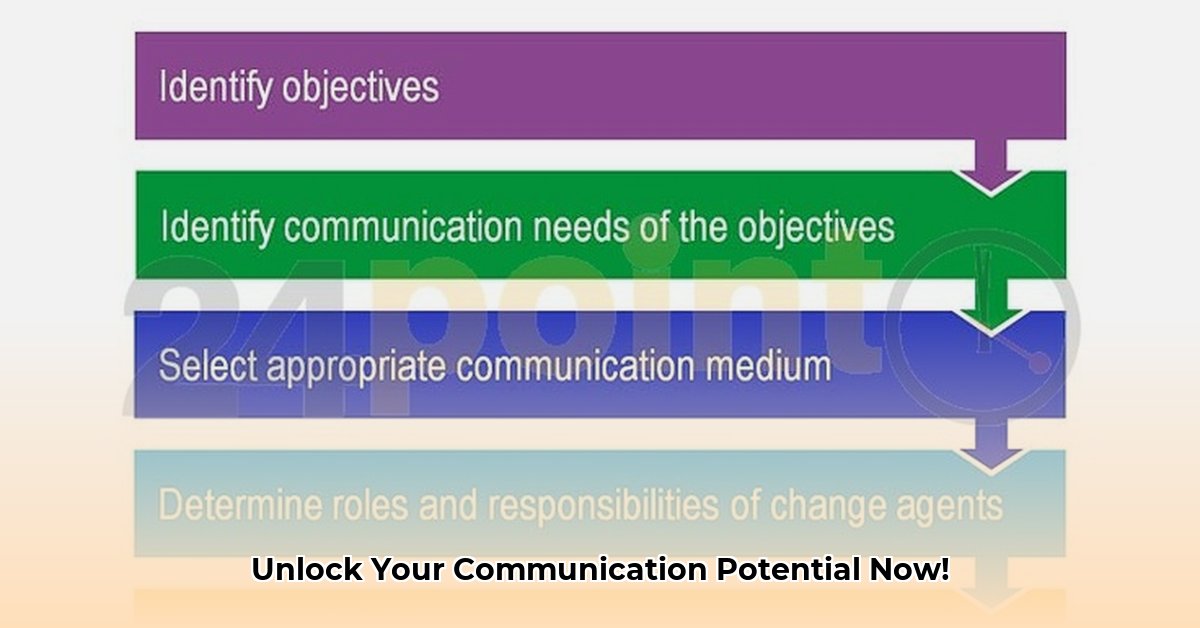
Your Action Plan for Communication Success: A Step-by-Step Guide
This actionable framework will guide you in implementing these strategies:
- Self-Assessment: Identify your communication strengths and weaknesses. Seek honest feedback from trusted colleagues or friends.
- Targeted Improvement: Focus on one area at a time. Start with active listening or nonverbal communication, for example.
- Consistent Practice: Consciously practice your skills in various situations. Regular practice enhances fluency and confidence.
- Feedback Integration: Regularly seek feedback to identify areas for further improvement. Constructive criticism is vital for growth.
- Continuous Refinement: Communication is a continuous learning process. Adapt and adjust your strategies as needed.
How to Improve Cross-Cultural Communication Skills in the Workplace
Mastering cross-cultural communication is essential for building strong, high-performing teams. It involves understanding diverse communication styles, nonverbal cues, and cultural nuances.
Three Pivotal Points:
- Cultural awareness is paramount for recognizing and respecting differences in communication styles.
- Active listening is essential for understanding both verbal and nonverbal messages.
- Clarity and conciseness facilitate effective communication across cultures.
Actionable Steps:
- Cultural Awareness Training: Invest in resources or workshops to gain a deeper understanding of cultural norms and communication styles.
- Mentorship Programs: Pair employees from different backgrounds to foster mutual learning and understanding.
- Embrace Language Learning: Even basic phrases in a colleague's language shows respect and builds rapport.
- Establish Open Communication: Create an environment where feedback on communication styles is encouraged and valued.
Mastering effective communication is a continuous journey. By consistently applying these strategies and adapting to various contexts, you’ll cultivate strong relationships, enhance productivity, and unlock your full potential. Remember, your communication skills are a valuable asset both personally and professionally.